Claims Built Around Complete Fire Loss Evidence
Fire & Smoke Damage Claims in Las Vegas for homeowners recovering from fire events and the resulting smoke and soot contamination
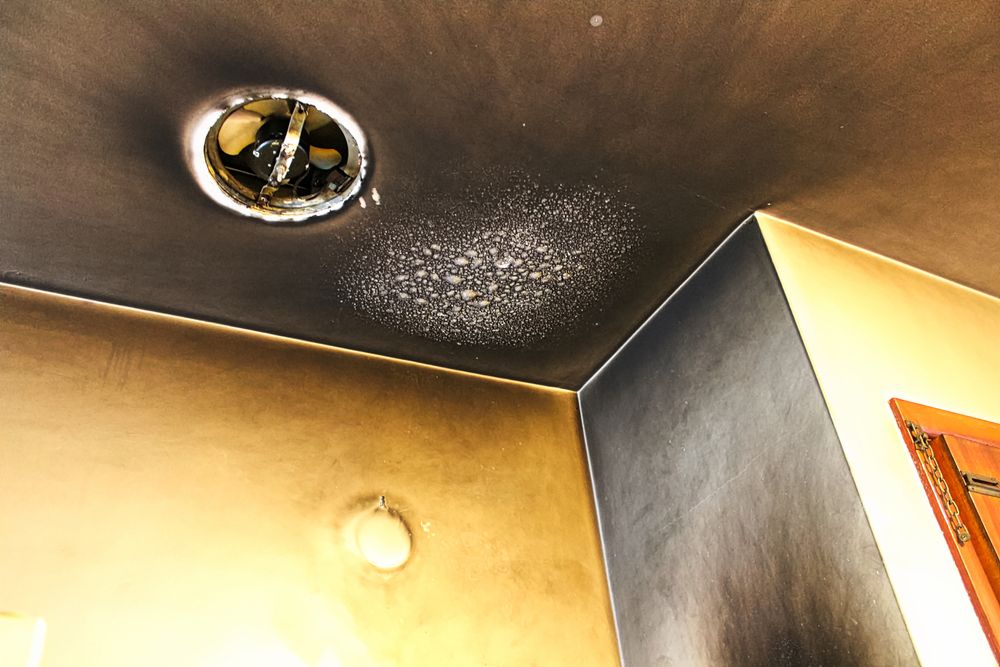
Fire damage extends beyond charred surfaces; smoke and soot infiltrate rooms far from the fire source, leaving residue on walls, ceilings, HVAC systems, and personal property. Premier Claims Advocate assists homeowners in Las Vegas with fire and smoke damage claims by documenting all fire-related losses and representing your interests during insurer evaluations. Fire inspections reveal the full extent of damage, including areas where smoke traveled through ventilation or gaps in construction, which adjusters may overlook during quick walkthroughs.
Structural damage assessments determine whether framing, roofing, or support elements have been weakened by fire exposure, while smoke and soot damage documentation captures contamination that affects indoor air quality and requires professional cleaning or material replacement. Personal property inventory assistance helps you account for items damaged by flames, heat, or smoke, including belongings that may appear salvageable but carry embedded odors or weakened materials.
Request a fire damage inspection to begin compiling evidence for your insurance claim.
What Fire Damage Documentation Captures
Insurance claim negotiations for fire losses involve explaining why certain repairs or replacements are necessary even when damage isn't immediately visible. For example, drywall exposed to high heat may need replacement even without char marks, and HVAC systems contaminated with soot require duct cleaning or component replacement to prevent circulating harmful particles. These details must be documented with inspection findings and contractor assessments to justify claim amounts.
After your fire damage claim is fully documented and negotiated, you notice that coverage includes not only burned or charred materials but also smoke-contaminated areas, cleaning costs, and temporary housing expenses if your home is uninhabitable during repairs. Settlement maximization ensures that all fire-related expenses are accounted for, from structural repairs to replacing clothing and furniture that absorbed smoke odors.
Smoke and soot damage documentation includes testing for residue on surfaces, identifying odor sources that require sealing or removal, and assessing whether HVAC systems spread contamination throughout the property. Fire claims often involve disputes over what qualifies as smoke damage versus pre-existing conditions, making thorough documentation critical for securing full coverage.
Answers to Frequent Fire Claim Questions
Property owners recovering from fire events want to understand how smoke damage is assessed and what their insurance policy covers beyond visible fire destruction.
What does a fire damage inspection involve?
It involves examining structural elements for heat damage, testing surfaces for soot residue, documenting smoke odor sources, assessing HVAC contamination, and identifying personal property affected by flames, heat, or smoke exposure.
How is smoke damage different from fire damage in insurance claims?
Smoke damage refers to contamination from soot, odors, and airborne particles that spread beyond the fire's direct path, often requiring specialized cleaning or material replacement even in rooms with no flame contact, which adjusters may undervalue without detailed documentation.
Why do fire claims require personal property inventory assistance?
Fire and smoke affect thousands of items in a home, from clothing and furniture to appliances and stored goods, making it difficult to remember and document everything without organized inventory support that ensures no losses are omitted from your claim.
What structural damage assessments reveal after a fire?
Assessments identify compromised framing, weakened roof decking, damaged electrical systems, and heat-affected building materials that require replacement to meet code requirements, even when surface damage appears minor.
How does settlement maximization work for fire losses in Las Vegas?
Maximization involves documenting all direct and indirect fire-related expenses, including repairs, cleaning, temporary housing, and replacement of unsalvageable property, then negotiating with adjusters to ensure your settlement covers the full cost of restoring your home and possessions.
Premier Claims Advocate handles fire and smoke damage claims with detailed documentation and professional negotiation to secure settlements that cover complete restoration. Schedule a consultation to discuss your fire loss and begin the claims process.