
Roofs That Failed During Weather Events
Roof Damage Insurance Claims in Las Vegas for properties with storm-related roof failures and insufficient insurance settlements
Roof inspections conducted from ground level miss granule loss on shingle surfaces, cracked sealant strips along ridge caps, and fractured decking beneath intact shingles, yet these hidden failures determine whether a roof requires full replacement or partial repair. When insurance adjusters climb onto roofs in Las Vegas, they often photograph obvious damage while overlooking wind-lifted shingles that compromised the underlayment, hail impacts that reduced shingle lifespan without causing immediate leaks, and edge flashing separations that allow wind-driven rain to reach interior spaces. Premier Claims Advocate handles roof damage insurance claims by conducting independent inspections that document both surface-level impacts and underlying structural failures that insurers frequently exclude from their settlement calculations.
Comprehensive roof damage inspections include shingle condition assessments, underlayment exposure checks, flashing integrity evaluations, and attic inspections that reveal water stains on decking or rafters indicating prior leaks that insurers may attribute to maintenance neglect rather than storm events. Insurance carriers often approve only partial roof repairs when full replacement is necessary because their adjusters document isolated damage zones without establishing that storm impacts compromised the roof system's overall integrity.
Arrange a roof inspection to identify storm damage before submitting your insurance claim.
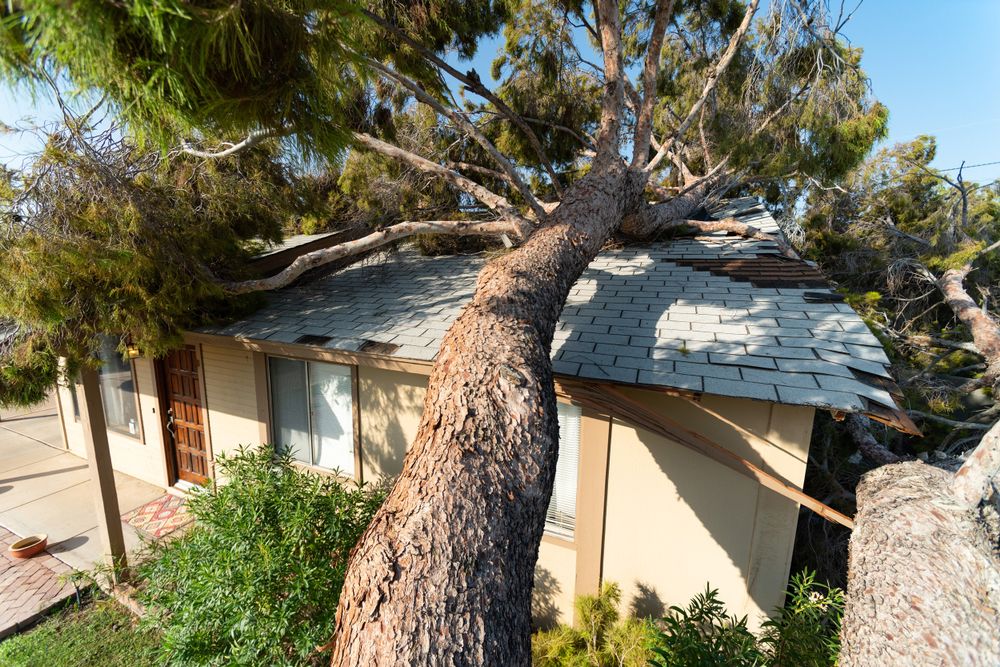
How Independent Roof Inspections Change Claim Outcomes
Independent roof inspections use core sampling, moisture meters, and infrared imaging to detect damage that surface-level evaluations miss, including saturated insulation, compromised decking, and underlayment failures that won't produce visible interior leaks until months after the storm event. Inspectors measure hail impact diameters, document granule displacement patterns that indicate storm direction and intensity, and photograph shingle mat fractures that reduce remaining service life even when leaks haven't yet occurred.
Once the inspection is complete, you receive a detailed report with annotated photographs, damage location maps, and a repair scope that explains why full replacement is necessary when scattered damage has compromised the roof's ability to meet its rated lifespan. Claim negotiation focuses on presenting evidence that storm-related damage shortened the roof's functional life, even when the insurance adjuster's estimate recommends repairing only the visibly damaged sections.
Roof damage claims often require supplemental submissions when contractors discover additional failures during tear-off, such as rotted decking beneath intact shingles or inadequate ventilation that allowed moisture accumulation before the storm. Documentation includes before-and-after comparisons, manufacturer specifications that define when repairs no longer restore intended performance, and contractor statements explaining why piecemeal repairs create warranty conflicts and mismatched material issues.
Common Questions About Roof Damage Claims
Roof damage claims involve specific coverage determinations and inspection standards that affect whether insurers approve full replacement or partial repair settlements.
What type of roof damage qualifies for insurance coverage?
Covered roof damage includes storm-related failures such as wind-lifted shingles, hail impacts that fracture shingle mats or displace protective granules, and structural damage from fallen debris, but policies exclude damage from wear, poor installation, or deferred maintenance that existed before the covered weather event.
How do adjusters determine if a roof needs replacement or repair?
Adjusters count damaged shingles per roof section and apply carrier-specific thresholds that trigger full replacement, typically when damage exceeds ten to fifteen percent of a slope or when repairs would create mismatched materials and warranty conflicts, but these thresholds vary by insurer and inspector discretion often undercounts scattered damage.
Why do insurance estimates exclude damage my roofer says needs repair?
Insurance adjusters often classify wear-related damage as pre-existing and storm-related damage as repairable, whereas contractors evaluate remaining service life and determine that partial repairs won't restore the roof's intended performance, creating estimate differences that require negotiation with supporting documentation from independent inspections.
What happens during a roof damage inspection in Las Vegas?
Inspections include surface assessments of all roof slopes, close-up photography of damaged shingles or tiles, measurements of hail impact sizes, attic access to check for water stains or decking damage, and documentation of flashing, ridge cap, and valley conditions that affect how well the roof sheds water during monsoon storms common in the region.
Can I file a roof claim if I'm not sure when the damage occurred?
You can file a claim based on recent discovery of damage even if the exact storm date is uncertain, but stronger claims include weather event documentation such as National Weather Service records showing hail or high wind events near your property within the policy's coverage period, which establishes causation and prevents insurers from denying claims as gradual deterioration.
Premier Claims Advocate provides independent roof inspections and claim negotiation for property owners facing low settlement offers or disputed coverage. Schedule a roof evaluation to document storm damage and strengthen your insurance claim.