
Documentation That Supports Insurance Claims
Property Damage Inspections in Las Vegas for homeowners preparing insurance claims or challenging inadequate damage assessments
Insurance carriers base settlement offers on their adjuster's inspection findings, but those inspections rarely include moisture meter readings, thermal imaging, or attic access that reveals hidden damage spreading behind finished surfaces and above ceilings where water intrusion and structural failures develop unseen. Property damage inspections in Las Vegas conducted by Premier Claims Advocate use documentation tools and evaluation methods that insurance adjusters typically skip during brief site visits, producing comprehensive evidence packages that establish the full scope of storm-related losses including secondary moisture damage, structural compromises, and material failures that won't produce visible symptoms until weeks after the initial event. Homeowners who submit insurance claims with only smartphone photographs and general damage descriptions often receive low settlement offers because insurers discount poorly documented losses as maintenance issues or pre-existing conditions rather than covered perils.
Detailed property evaluations include exterior inspections documenting roof, siding, window, and foundation damage, interior inspections checking for water stains, material swelling, and moisture intrusion pathways, and attic or crawl space access that reveals structural damage and insulation saturation invisible from living spaces. Inspection reports combine annotated photographs, moisture readings, damage measurements, and material condition assessments that answer the specific evidence questions insurance carriers raise when evaluating claim legitimacy and settlement amounts.
Schedule a property inspection before submitting your insurance claim to document all damage categories.
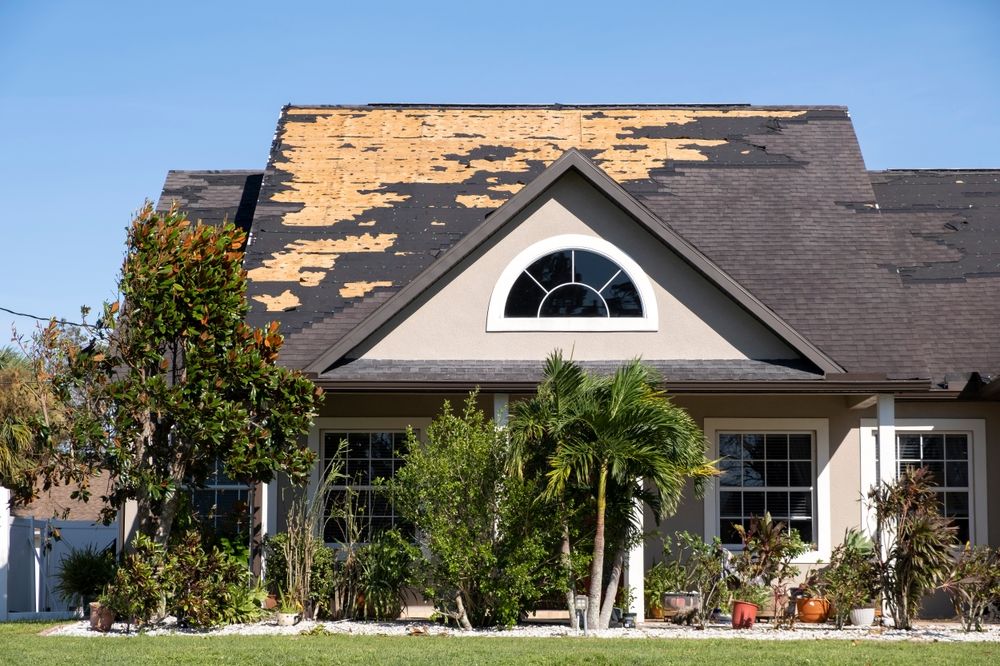
What Comprehensive Property Inspections Document
Property inspections use calibrated moisture meters to detect elevated readings in walls, ceilings, and flooring that indicate active water intrusion or material saturation requiring replacement, thermal imaging cameras that reveal temperature differentials showing air leaks or moisture presence, and detailed photography with scale references that establish damage size and location for insurance review. Inspectors access attic spaces to check for roof decking stains, rafter damage, insulation condition, and ventilation adequacy, document exterior damage with measurements and close-up imaging, and evaluate interior spaces for material failures that resulted from storm events or system malfunctions.
Once the inspection is finished, you receive a written report with dated photographs, damage location diagrams, moisture reading logs, and repair recommendations organized by damage category and severity level. This documentation package provides the evidence foundation for insurance claims, supplemental submissions, or claim reconsideration efforts, ensuring that carriers cannot dismiss legitimate damage as undocumented or attribute covered losses to maintenance neglect without contradicting third-party inspection findings.
Property inspections often identify damage categories homeowners didn't recognize as storm-related losses, such as HVAC duct damage from attic water intrusion, electrical system exposure from ceiling material failures, or foundation movement from drainage system failures during heavy rain events. Comprehensive reports separate storm damage from pre-existing wear, explain causation for each documented failure, and provide repair scopes that contractors use for accurate bidding and that insurance adjusters use for settlement calculations.
Common Questions Before Scheduling Inspections
Property damage inspections involve specific documentation methods and evidence standards that affect insurance claim outcomes and settlement negotiations.
What does a property damage inspection include?
Inspections include exterior assessments of roofing, siding, windows, doors, and drainage systems, interior evaluations of ceilings, walls, flooring, and visible structural components, attic or crawl space access to document hidden damage, moisture detection using calibrated meters, photographic documentation with scale references, and written reports that itemize all identified damage with repair recommendations and causation explanations.
How do inspection reports strengthen insurance claims in Las Vegas?
Detailed reports provide third-party documentation that establishes damage existence, severity, and causation, preventing insurers from denying claims as insufficient evidence or disputing damage extent based solely on their adjuster's limited inspection, and inspection findings often reveal damage categories the homeowner didn't recognize as insurable losses, increasing settlement amounts beyond what undocumented claims would receive.
What equipment do inspectors use to find hidden damage?
Inspectors use moisture meters with pin and pinless sensors that detect elevated moisture content in building materials, infrared thermal imaging cameras that reveal temperature differences indicating water presence or air leaks, borescopes for viewing inside wall cavities without demolition, and high-resolution cameras with macro lenses for documenting material failures and storm impact evidence that smartphone photos miss.
When should I schedule a property inspection after storm damage?
Schedule inspections within days of discovering damage to document conditions before weather exposure worsens material failures, but inspections remain valuable weeks or months after storms when new symptoms appear, such as ceiling stains that develop gradually as trapped moisture migrates through building materials or structural movement that becomes visible only after repeated wetting and drying cycles.
Can inspection reports be used for multiple purposes beyond insurance claims?
Inspection reports serve as pre-purchase documentation for real estate transactions, maintenance planning tools that prioritize repair urgency, contractor bidding references that ensure estimate completeness, and baseline condition records that establish property status before selling or renting, making comprehensive inspections valuable even when immediate insurance claims aren't required.
Premier Claims Advocate conducts property damage inspections that produce detailed documentation for insurance claims, supplemental submissions, and claim reconsideration efforts. Arrange an inspection to document storm damage, water intrusion, or structural failures before filing your claim.