
Wind and Hail Damage That Needs Documentation
Storm Damage Insurance Claims in Las Vegas for property owners facing underpayment or denied coverage after severe weather events
Wind gusts exceeding sixty miles per hour and hail larger than one inch can crack roof shingles, dent metal flashing, and force water through compromised exterior barriers, yet insurance carriers often overlook interior water intrusion that follows storm events. Premier Claims Advocate handles storm damage insurance claims in Las Vegas by inspecting both exterior impact zones and interior moisture penetration points that insurers frequently miss during their initial assessments. Homeowners who see ceiling stains, swollen drywall, or attic condensation weeks after a storm often discover their original claim settlement failed to account for hidden water damage that spreads behind walls and above ceilings.
Storm damage assessments include complete documentation of wind-lifted shingles, hail-impacted roof surfaces, damaged siding, compromised gutters, and any water intrusion pathways that developed during the weather event. Insurance carriers base settlement offers on their adjuster's initial inspection, but those inspections typically occur from ground level and rarely include attic access, thermal imaging, or moisture meter readings that reveal the full extent of storm-related damage.
Schedule a property evaluation to document storm damage before filing your claim.
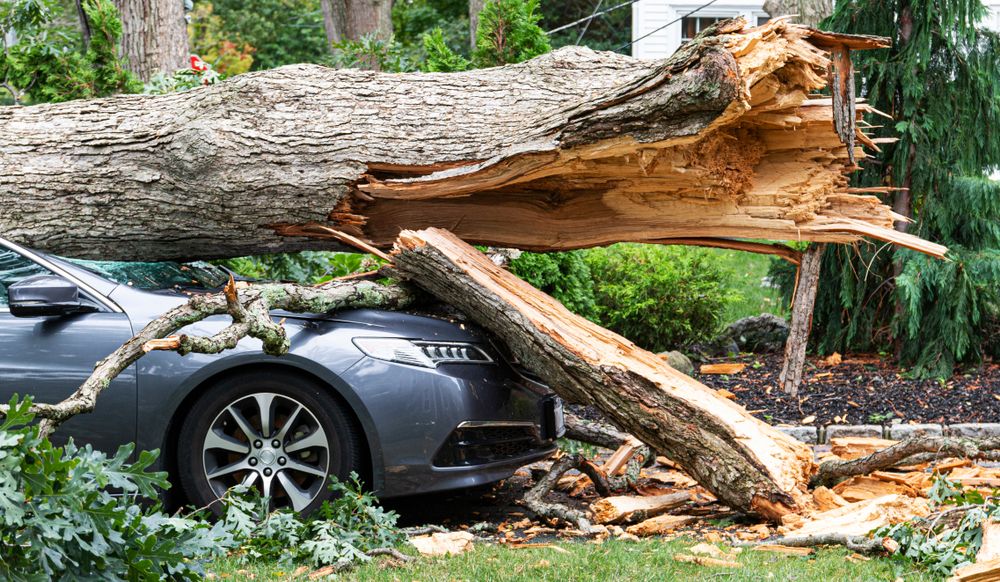
What Complete Storm Damage Documentation Includes
Storm damage assessments use photo documentation, measurement tools, and moisture detection equipment to establish the full scope of weather-related property damage. Inspections cover roof surfaces, attic spaces, exterior walls, window frames, and interior rooms where water stains or material swelling indicate intrusion, ensuring that insurance carriers receive evidence of both visible impact damage and secondary moisture damage that may not appear until days after the storm passes.
After the claim is submitted with complete documentation, you receive a case file that includes annotated photographs, damage measurements, material condition assessments, and a repair scope that accounts for all storm-related losses. Premier Claims Advocate negotiates directly with insurance adjusters when their initial estimates exclude legitimate damage categories, overlook code-required upgrades, or apply depreciation rates that undervalue necessary repairs.
Storm damage claims often require supplemental submissions when adjusters identify additional damage during contractor tear-off or when hidden moisture damage becomes visible after drywall removal. Claim preparation includes itemized repair estimates that separate wind damage from hail damage and exterior losses from interior water intrusion, allowing insurers to process each damage category according to policy coverage terms without disputing the entire claim due to incomplete documentation.
Questions Homeowners Ask Before Filing Storm Claims
Storm damage claims in Las Vegas often involve specific documentation requirements and coverage questions that affect settlement amounts and approval timelines.
What qualifies as storm damage under my homeowner's policy?
Storm damage typically includes wind-related roof and siding failures, hail impacts that compromise material integrity, and water intrusion that occurs as a direct result of exterior barrier failure during a weather event, but policies vary in how they define sudden weather events versus gradual wear that occurred before the storm.
How soon after a storm should I file a claim?
Most policies require prompt notification after discovering damage, and filing within days of the storm event strengthens your claim by establishing clear causation between the weather event and property damage, whereas waiting weeks allows insurers to argue that damage resulted from poor maintenance rather than the storm itself.
What documentation do insurance adjusters require for storm claims?
Adjusters expect dated photographs showing damage location and severity, written descriptions of what failed during the storm, contractor estimates that separate storm damage from pre-existing wear, and proof of the weather event such as National Weather Service reports or local meteorological data showing wind speeds and hail size in Las Vegas on the date of loss.
Why do insurers deny claims for storm damage that clearly occurred?
Denial letters often cite lack of sufficient evidence, pre-existing conditions, maintenance neglect, or policy exclusions, but many denials result from incomplete damage documentation that failed to establish direct causation between the storm event and specific property failures, which is why independent inspections that use moisture meters and attic access produce stronger evidence than ground-level photographs.
What happens if the insurance estimate is lower than contractor bids?
When insurance estimates undervalue repairs by excluding legitimate damage items, applying incorrect depreciation schedules, or using outdated material costs, you can submit a supplemental claim with independent estimates and additional documentation that justifies higher repair costs, and claim advocates negotiate these differences by presenting itemized comparisons that show where the insurer's estimate falls short of actual repair requirements.
Premier Claims Advocate provides claim preparation and negotiation support for property owners navigating the storm damage settlement process. Request a claim review to compare insurance estimates against actual storm damage documented at your property.